
Depression Counselling in Barrie, ON
Depression doesn't always look like sadness. Sometimes it's exhaustion that sleep doesn't fix — a persistent numbness, a loss of motivation, or the quiet sense that things you once enjoyed no longer reach you. If that sounds familiar, you're not alone, and you don't have to keep pushing through it by yourself.
At Reset Counselling & Psychotherapy, our registered psychotherapists and registered social workers offer depression counselling in Barrie built around you — your pace, your goals, and what's actually been hard. We provide in-person and virtual sessions so that support is always within reach.
✔ Registered psychotherapists and social workers ✔ In-person and virtual ✔ No diagnosis or referral required ✔ Extended health receipts
Could Depression Counselling Help You?
Recognizing when low mood has moved beyond a difficult stretch is one of the most important steps toward getting the right support. These two areas can help you get clearer on where you're at.
Common Signs and Symptoms of Depression
Depression affects people differently. For some, it's persistent sadness or hopelessness. For others, it shows up as emotional numbness, irritability, or a slow withdrawal from people and activities that once felt meaningful.
Common signs include:
- Persistent sadness or low mood that doesn't lift
- Anhedonia — a loss of interest or pleasure in things you used to enjoy
- Fatigue and low energy, even after a full night's sleep
- Sleep changes — difficulty falling asleep, staying asleep, or sleeping too much
- Appetite changes or unexplained weight fluctuations
- Difficulty concentrating or making decisions
- Irritability or restlessness that feels out of character
- Feelings of guilt, worthlessness, or hopelessness
- Social withdrawal and difficulty functioning at work, school, or home
If several of these feel familiar — and they've been present for more than two weeks — it may be time to talk to someone.
When Low Mood May Be More Than a Difficult Week
Not every hard week is depression. But when low mood is persistent, affects your ability to function day-to-day, or feels like it has no clear cause, it warrants a closer look.
You don't need a formal diagnosis to start talking with one of our therapists. Psychotherapy isn't a replacement for a medical assessment — if you're concerned about a diagnosis or medication, speaking with your family doctor is an important step — but counselling can begin at any point in that process.
How Depression Counselling Can Help
Therapy for depression isn't just about talking through how you feel. It's about understanding what's keeping you stuck and building the tools to move forward.
What We Can Work on Together
Our work together can look different depending on your situation, but here are some of the areas we commonly address:
- Understanding patterns that contribute to persistent low mood
- Challenging unhelpful thought patterns that reinforce feelings of worthlessness or hopelessness
- Reducing avoidance and withdrawal that depression makes feel like relief but often deepens the cycle
- Rebuilding daily routines and structure that support stability
- Reconnecting with relationships and social support
- Developing coping strategies for stress and difficult emotions
- Improving emotional regulation and self-compassion
- Restoring motivation and meaning in daily life
- Managing life transitions that have contributed to or compounded low mood
The goal isn't perfection — it's sustainable, meaningful change.
What Progress in Depression Therapy Can Look Like
Progress in therapy tends to be gradual, and it often shows up in the details before it shows up in the big picture. Some of the changes our clients notice along the way:
- Getting through morning routines more consistently, without as much dread
- Reaching out to a friend or family member they'd been avoiding
- Noticing a negative thought pattern sooner — and knowing what to do with it
- Having more energy for activities that matter to them
- Feeling less overwhelmed when emotions become intense
- Returning to a hobby or interest that depression had pushed aside
- Feeling more equipped to navigate future low periods when they come
These shifts are real, and they build on each other.
Our Approach to Depression Therapy at Reset
There's no single approach to depression therapy that works for everyone. Our therapists draw on several evidence-based methods to build a treatment plan that fits your specific situation, history, and goals.
What to Expect From Depression Counselling at Reset
Starting therapy can feel like a big step. Knowing what the process actually looks like often makes it easier to begin.
Your First Counselling Session
Your first session is primarily about getting to know you. You don't need to have everything figured out or know exactly what to say — your therapist will guide the conversation.
Together, you'll talk about what's been hard, what's brought you to this point, and what you're hoping to get out of therapy. Your therapist will share what working together might look like and begin building a plan that feels realistic and manageable. You'll have space to ask questions at any point. If the approach needs to be adjusted as things progress, it will be.
What Ongoing Sessions May Look Like
Once you've established a direction together, ongoing sessions focus on putting it into practice. This might include reviewing how the week went, identifying patterns in thoughts or behaviours, working through specific coping skills or practical exercises, and processing emotions that are difficult to sit with alone. Goals are collaborative and evolve over time. Between-session practice — when it's relevant and agreed upon — can also help deepen the work that happens in the room.
How Many Therapy Sessions Will I Need?
There's no single answer. Duration depends on your goals, the complexity of what you're working through, how often you attend, and how you're progressing. Many of our clients attending for depression-related concerns attend at least 8 to 12 sessions — though this varies considerably from person to person and isn't a fixed requirement.
In-Person or Virtual Depression Counselling
Both options are available at Reset. In-person sessions take place at our Barrie clinic; virtual sessions are available by secure video across Ontario. Each therapist's available formats are listed on our booking page.
Depression Counselling in Barrie and Across Simcoe County
Reset serves clients across Barrie and the surrounding region — both in person and virtually, depending on what works best for you.
In-Person Depression Therapy at Our Barrie Clinic
Our Barrie clinic is located at Unit 201–151 Essa Road, with free parking available on site. For many clients, coming into the office matters. The physical separation from home, the quiet of a private room, and the face-to-face connection with a local therapist all contribute to the therapeutic experience in ways that are hard to replicate elsewhere.
If getting to the clinic feels difficult — due to transportation, scheduling, or depression itself making it harder to leave the house — virtual sessions offer the same quality of care from wherever you are.
Serving Barrie, Orillia, Innisfil, Bradford, New Tecumseth and Simcoe County
Clients come to Reset from Barrie and surrounding communities throughout Simcoe County, including Orillia, Innisfil, Bradford, and New Tecumseth. Depending on your location, in-person appointments at our Barrie clinic may be a practical option — or a virtual session may better suit your schedule and distance. Our booking page shows each therapist's current availability and session format.
Virtual Depression Counselling Across Ontario
Our virtual therapy sessions run through a secure, confidential video platform and are available to residents across Ontario. For clients managing depression, the accessibility of online therapy — no commute, no waiting room, no need to arrange transportation — removes several real barriers to getting started and staying consistent.
Find a Depression Therapist in Barrie Who Fits You
A strong therapeutic relationship matters, especially when you're feeling low. We make it easier to find a therapist whose style, approach, and availability genuinely suit you.
Care From Registered Mental Health Professionals
Our team includes Registered Psychotherapists (RPs), Registered Social Workers (RSWs), and a Registered Nurse (RN) who provides psychotherapy. Each designation requires adherence to a professional code of ethics and ongoing professional development to maintain registration, and our therapists work within evidence-informed frameworks. When you work with Reset, you're working with a regulated professional held to consistent ethical and clinical standards.
Match With the Right Therapist for You
Our detailed therapist profiles include each therapist's areas of focus, treatment style, and availability, so you can get a genuine sense of who they are before booking. Still unsure? Our Therapist Matching Quiz asks a few questions and recommends a therapist based on your needs and preferences.
Click below to get started on our Therapist Matching Quiz.
Meet Our Therapists for
Depression Counselling
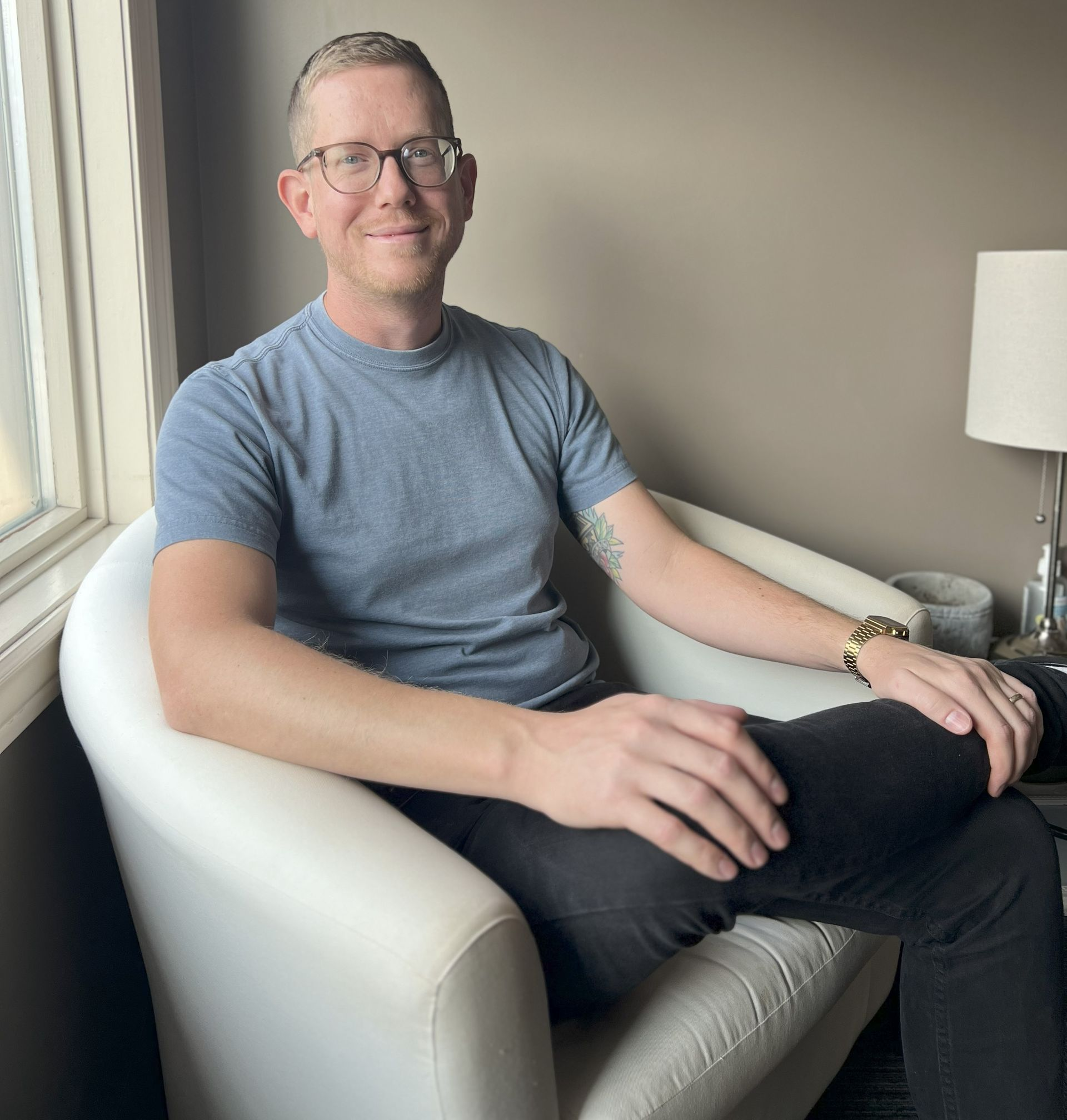
Daniel Burgoyne, Registered Psychotherapist
Daniel's approach is warm, down-to-earth, and non-judgmental. He helps clients spot the thoughts and beliefs that keep them stuck and build practical tools for feeling better. Therapy with him is never about fixing something "broken."

Melanie Lockhart, Registered Psychotherapist (Qualifying)
Melanie works with teens, young adults, and women facing depression, emotional overwhelm, and big life transitions, including postpartum depression. She listens closely and helps you understand the patterns that keep repeating. Her focus is on practical tools to help you rebuild your confidence.

Craig Head — Registered Psychotherapist (Qualifying)
If you’re carrying something heavy or questions you can’t seem to quiet — you don’t have to hold it alone. Craig's approach is grounded in empathy, trust, and genuine connection. Craig is well-suited for those who want a steady, experienced presence.

Andi Atkins, Registered Psychotherapist
Andi works with teens and adults facing depression, anxiety, trauma, and grief. The approach is warm, non-judgmental, and strengths-based, a space where you're welcome to show up just as you are, using CBT and practical coping tools at your pace.

Van Shanahan, Registered Psychotherapist
If depression keeps coming back, Van can help you look at what's underneath. His psychodynamic, relational approach explores the history and repeating patterns behind low mood and unhealthy coping.
Depression Counselling Fees, Insurance and Booking
Here's what you need to know before booking your first session — straightforward, no surprises.
Session Fees and Appointment Length
Sessions at Reset are $170 for 50 minutes. This rate applies to individual counselling sessions. We accept Visa and Mastercard. Receipts are issued through your JaneApp client profile and can be submitted to your insurance provider for reimbursement.
Insurance Coverage for Psychotherapy
Coverage varies depending on your extended health benefit plan and your therapist's designation. Most employer and union plans cover sessions with Registered Psychotherapists (RPs) and Registered Social Workers (RSWs) — both of which are represented on our team. We recommend checking your plan's annual maximum and accepted designations before your first session.
We don't currently offer direct billing, but most insurers process reimbursements quickly when you upload your receipt online.
Do I Need a Referral?
No referral is required to book with Reset as a private client. You can book directly through our online scheduling system at any time. Some insurance plans have their own reimbursement requirements, so it's worth confirming your coverage before your first appointment.
Frequently Asked Questions About
Depression Counselling
Here are answers to some of the questions we hear most often from people considering depression counselling in Barrie.
Do I Need a Depression Diagnosis Before Starting Counselling?
No. A formal diagnosis is not required to begin therapy at Reset. Many of our clients come to us experiencing persistent low mood, loss of motivation, or emotional exhaustion — without a diagnosis attached. Our therapists work with what you're experiencing, not a label. If a formal assessment or diagnosis is important to you, your family doctor is the right first step.
Can Counselling Help If I Am Taking Antidepressant Medication?
Yes. Psychotherapy and medication are not mutually exclusive. Many people benefit from both, particularly in more severe or complex cases. All decisions about medication belong with your prescribing physician or psychiatrist; our therapists support the therapeutic side of your care.
Is Depression Counselling Confidential?
Yes. What you share in therapy is kept confidential. Your therapist will explain the full scope of confidentiality during your first session — including the specific legal and ethical circumstances under which disclosure may be required (for example, when there is a serious risk of harm). Those limits are narrow and well-defined, and your therapist will walk you through them clearly before your work together begins.
Can You Help With Depression and Anxiety at the Same Time?
Yes. Depression and anxiety frequently co-occur, and our therapists are experienced in supporting clients navigating both. Many of the approaches we use — including CBT, mindfulness, and behavioural activation — address symptoms of both conditions effectively. If anxiety is a significant part of your experience, visit our Anxiety Counselling page for more information on how we approach that work.
What If Depression Makes It Hard to Leave the House?
This is more common than many people realize — and it's exactly why we offer virtual sessions. If the weight of depression is making it difficult to leave home, drive across town, or sit in a waiting room, you can access our full range of psychotherapy services from your own space, through a secure video session. Motivation and energy are symptoms, not character flaws. We meet you where you are.
Can I Access Reset From Orillia, Innisfil, Bradford or New Tecumseth?
Yes. Clients from Orillia, Innisfil, Bradford, New Tecumseth, and other communities across Simcoe County access Reset both in person and virtually. If you're within reasonable distance of our Barrie clinic at Unit 201–151 Essa Road, in-person sessions are available. For those further away or who prefer to stay local, virtual sessions provide the same quality of care.
When Depression Feels Urgent: Crisis Support
Reset offers scheduled psychotherapy — not emergency or crisis services. If you need immediate help, please use the resources below.
If You May Be in Immediate Danger
If you or someone you care about is experiencing thoughts of suicide, self-harm requiring medical attention, or is unable to keep themselves safe, please don't wait for a therapy appointment.
- Call 911 or go to your nearest emergency department
- Call or text 988 — Canada's Suicide Crisis Helpline, available 24/7 for anyone in distress
Your safety comes first. Reaching out in a crisis is the right thing to do.
Local Crisis Support in Simcoe County
For mental health crisis support closer to home, the CMHA Simcoe County Mental Health Crisis Line is available 24 hours a day, 7 days a week:
- Local: 705-728-5044
- Toll-free:
1-888-893-8333
Take the First Step Toward Feeling More Like Yourself
Depression makes everything feel harder — including asking for help. That's exactly why our first sessions are low-pressure conversations, not assessments or evaluations. You set the pace. Our registered psychotherapists and registered social workers are here to listen, to understand your situation, and to work with you on what genuinely matters.
Whether you're in Barrie and want to come in person, or you're anywhere in Ontario and prefer to connect virtually, Reset has a therapist who fits your needs. Our therapist matching tool makes finding the right person simple.