Trauma Therapy in Barrie, ON for PTSD & Complex Trauma
At Reset Counselling & Psychotherapy, we offer trauma therapy in Barrie, ON for individuals navigating the lasting effects of traumatic experiences — whether recent or long-standing. Our team of Registered Psychotherapists provides compassionate, evidence-informed care in a setting that feels steady and safe. We offer in-person appointments at our Barrie office and virtual sessions across Ontario. No referral is needed to get started.
✔ EMDR, CPT and CBT trauma approaches ✔ In-person and virtual ✔ No referral required ✔ Extended health receipts
Is Trauma or PTSD Affecting Your Daily Life?
Something happened — and even though time has passed, your body and mind haven't fully caught up. Sleep is harder than it used to be. Relationships feel strained. Concentration slips. Certain moments, sounds, or situations send you right back to a place you'd rather not be. That gap between what happened and how you feel now is exactly where trauma lives.
Common Signs of Trauma and PTSD
Trauma responses show up differently for everyone. Some are obvious; many are not. You may be experiencing trauma or PTSD if you notice several of the following:
- Intrusive memories or distressing thoughts that arrive uninvited
- Flashbacks, nightmares, or vivid reliving of past events
- Avoidance of people, places, or situations connected to what happened
- Emotional numbness or a persistent sense of disconnection
- Negative thoughts about yourself, others, or the future
- Hypervigilance — feeling constantly on edge or unsafe
- Difficulty sleeping, concentrating, or trusting your memory
- Guilt, shame, or self-blame that won't let go
- Strong emotional reactions or triggers that feel hard to manage
These are not signs of weakness. They are signs that your nervous system responded to something overwhelming — and that it needs support to find its way back to safety.
You Don't Need a PTSD Diagnosis to Seek Support
Many people experience significant trauma responses without ever receiving a formal PTSD diagnosis. Not everyone exposed to a traumatic event develops PTSD. You do not need a clinical diagnosis to benefit from trauma therapy. Our therapists work with the full range of trauma responses — from acute distress to long-standing patterns — and collaborate with you on a plan that fits where you actually are.
Types of Trauma We Can Help You Work Through
Trauma does not follow a single pattern. It can result from one overwhelming event, or from repeated and prolonged experiences over months or years. Our team works with a wide range of trauma histories, and we meet each client with the same level of care and clinical attention.
Single-Event and Recent Trauma
Some trauma stems from a specific incident — sudden and disorienting, even when the danger is long past. We support clients working through:
- Accidents or unexpected injuries
- Sudden loss of a loved one
- Assault or frightening incidents
- Distressing medical experiences
- Workplace incidents or acute safety threats
If an event has left you feeling unsafe, disconnected, or stuck, trauma-informed therapy can help you process what happened and rebuild a sense of stability.
Childhood and Complex Trauma
Not all trauma is tied to a single moment. Childhood experiences — including emotional neglect, repeated adverse events, and relational wounds formed early in life — can shape the nervous system in lasting ways. This territory is often referred to as complex trauma.
Complex trauma tends to show up in how we see ourselves, how we connect with others, and how we respond under stress. These patterns often develop long before a person has the language or context to name them. Our therapists are experienced in working carefully and collaboratively with clients who carry these kinds of long-standing histories.
Occupational, Relational and Secondary Trauma
Trauma also develops through sustained exposure. People working in high-stress roles — including healthcare professionals, first responders, and others who regularly encounter distressing situations — can develop trauma responses through occupational exposure. Trauma also results from abusive or harmful relationships, and from caregiving environments where distress is a constant. If your trauma developed gradually, through exposure or environment rather than a single event, your experience is just as valid — and just as treatable.
How Trauma Therapy Works at Reset Counselling
Trauma therapy at Reset is not a fixed script. It is a collaborative, individually tailored process that moves at a pace that makes sense for you. Here is what that typically looks like across the stages of our work together.
Your First Step: Understanding What You Need
Your first session is an intake — a chance for your therapist to hear your story, understand your current concerns, and get a clear picture of what you are working with. We explore your history, your goals, what is currently affecting your daily functioning, and what strengths and supports you already have. Nothing about this process is one-size-fits-all. By the end of the session, you and your therapist will have a direction — a collaborative plan that feels realistic and grounded in what you actually need.
Building Safety, Coping Skills and Emotional Regulation
Before trauma processing begins in earnest, we work with you to build a foundation. This means developing grounding strategies, strengthening emotional regulation, identifying your triggers, and building the coping tools you can draw on between sessions. Nervous-system awareness, stress management, and establishing a sense of internal safety are all part of this stage. For many clients, this phase alone brings meaningful relief and a greater sense of control over their daily experience.
Processing Trauma at a Pace That Feels Manageable
One of the most common fears people bring to trauma therapy is the belief that they will have to immediately recount every painful detail. That is not how we work. At Reset, the pace of trauma processing is always collaborative. You have a say in what gets explored and when. We use evidence-informed approaches designed to reduce the emotional intensity of traumatic memories without requiring you to relive them in their rawest form. The goal is not to erase the past — it is to help your nervous system stop treating it as the present.
Trauma Therapy Approaches Available at Reset
Our team draws on several well-researched, evidence-based approaches to trauma and PTSD therapy. The method we use with you depends on your history, your goals, and what fits best. Below is an overview of the primary approaches available at our practice.
Work With a
Trauma-Informed Therapist You Can Trust
Trauma therapy is deeply personal work. The quality of the therapeutic relationship matters — and so does the clinical training and regulatory standing of the therapist you work with.
01
Registered and Regulated Mental Health Professionals
The therapists at Reset Counselling & Psychotherapy hold professional designations regulated by provincial colleges. Our team includes Registered Psychotherapists (RP), a Registered Nurse (RN) and a Registered Social Worker (RSW). These designations carry ethical and professional standards that govern clinical practice. Our team is also committed to ongoing training and clinical supervision, ensuring that the care we provide reflects current, evidence-informed standards in trauma treatment.
02
Finding the Right Therapist and Current Availability
Not every therapist is the right fit — and finding the right match matters. Our therapists hold different specializations, training backgrounds, and availability. Use our Therapist Match Quiz to find a strong fit based on your concerns, preferences, and scheduling needs. If your preferred therapist has limited availability, our booking page allows you to join a waitlist or connect with another team member whose approach suits what you are looking for. We are currently accepting new clients.
Meet Reset Therapists for Trauma and PTSD Counselling

Tamari Thompson-Kraft, Registered Psychotherapist
Tamari supports clients facing trauma and PTSD, including complex and relational trauma that often shows up as unexplained anxiety. She brings over 15 years of experience including EMDR training and a genuine commitment to helping clients process what talk therapy alone hasn't been able to reach.
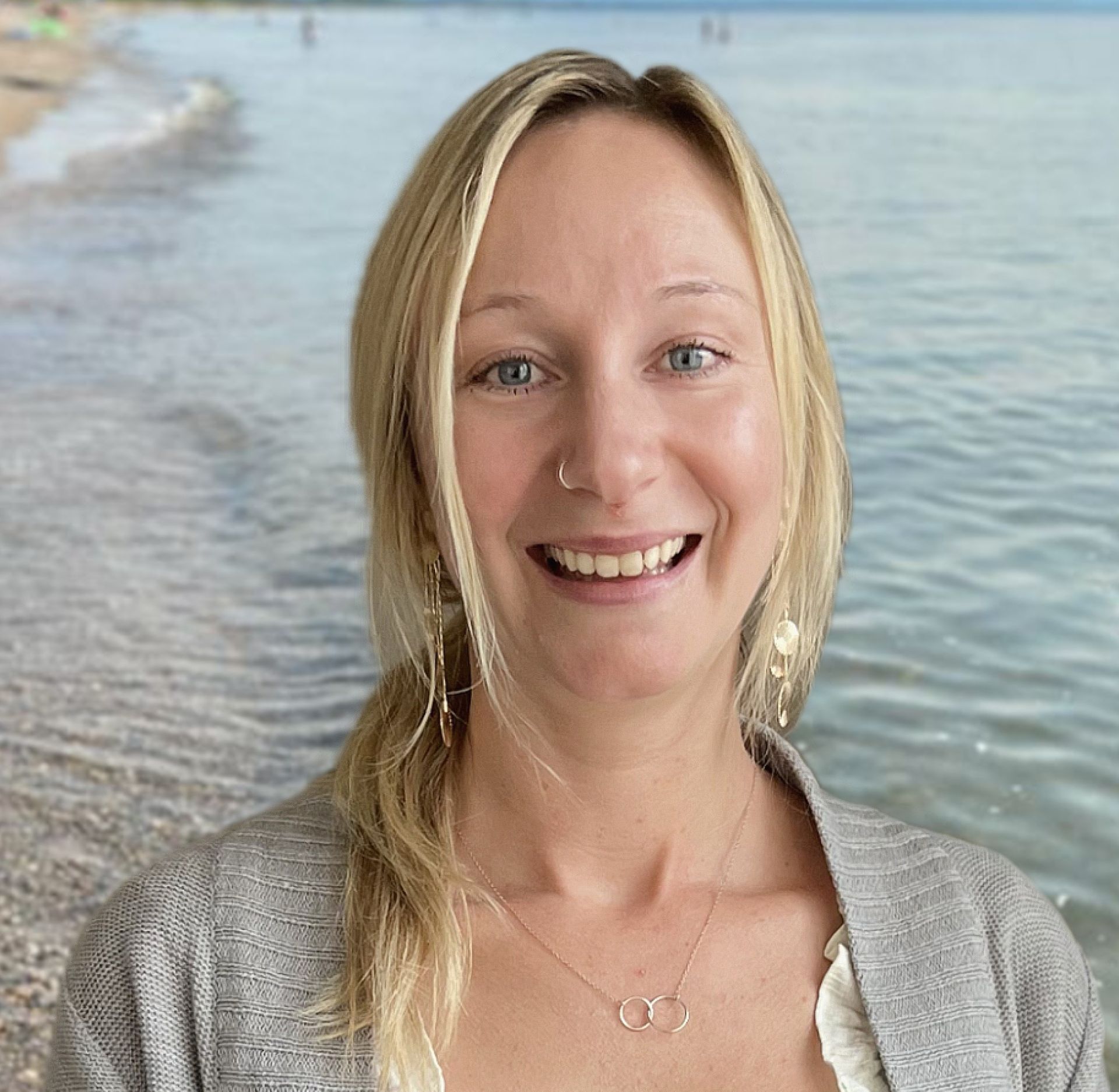
Leah Juras, Registered Psychotherapist
Leah works with teens (14+) and adults navigating trauma and PTSD, including reproductive trauma, pregnancy loss, and grief. Leah brings a gentle, collaborative, trauma-informed approach that draws on CBT and attachment-based work. Therapy is centred on your pace, and you don’t have to carry the pain alone.

Kyleigh Wells, Registered Nurse
Kyleigh supports teens (14+) and adults with trauma, PTSD, burnout, and moral distress, with a particular understanding of healthcare workers, first responders, caregivers, and clients with chronic conditions. Drawing on years of experience as a paediatric ICU nurse, Kyleigh uses Cognitive Processing Therapy and CBT in a grounded, compassionate approach. Kyleigh practices under the supervision of a Registered Psychotherapist.

Lindsay Tsang, Registered Psychotherapist
Lindsay is a Registered Psychotherapist with a Master’s in Counselling Psychology and over 10 years of experience supporting clients with trauma, anxiety, anger, and depression, using Internal Family Systems (IFS), CBT, relaxation and other techniques. His approach is warm and grounded, offering practical tools and insights.

Andi Atkins, Registered Psychotherapist
Andi works with teens (14+) and adults who are working through trauma and PTSD, including the patterns that can develop after traumatic events. With over a decade of clinical experience, Andi offers a warm, non-judgmental, and curious space, using CBT, grounding, and coping strategies at your pace. Sessions are available in person or by telephone.
What to Expect From Trauma Therapy
What Happens in the First Session?
Your first session is an intake. Your therapist will ask about what brings you in, your history, your current concerns, and what you hope therapy will help you change. This is not an interrogation — it is a collaborative conversation. Your therapist will also explain what the process might look like going forward, and together you will begin building a treatment plan. There is no pressure to share more than you are ready for on day one.
How Often Will I Attend and How Long Will Therapy Take?
The duration of trauma therapy depends on your history, the nature of your concerns, the treatment approach, and your goals. Most clients begin with weekly sessions, then move to bi-weekly as progress builds. Some people find meaningful relief in a shorter course of sessions; others work through more layered histories over a longer period. Your therapist will check in with you regularly to ensure that therapy is moving in the right direction and that the pace continues to make sense for your life.
You Stay in Control of What You Share
Many people arrive at trauma therapy worried they will need to disclose everything immediately — or that the process will feel overwhelming and out of their hands. It does not have to be that way. The pace and depth of what you share is always determined collaboratively. You remain an active participant in your own therapy, and your therapist will work with you — not ahead of you.
About Trauma Therapy in Barrie and Across Simcoe County
In-Person Trauma Therapy at Our Barrie Office
Reset Counselling & Psychotherapy is located at Unit 201–151 Essa Road, Barrie, Ontario. Our office provides a warm, private, and welcoming environment for in-person trauma therapy sessions. Many clients find that the consistency and human presence of face-to-face sessions is an important part of the therapeutic process. Evening appointments are available, with limited weekend options depending on the therapist.
Virtual Trauma Therapy for Surrounding Communities
For clients in Orillia, Innisfil, Bradford, New Tecumseth, and the broader Simcoe County area, we offer the full range of our trauma and PTSD therapy services virtually. Virtual sessions take place on a secure, private platform and are available to clients anywhere in Ontario. Many clients combine in-person and virtual sessions depending on their schedule and preferences. Geography does not have to be a barrier to quality trauma care.
Session Cost, Length and Referrals
Trauma therapy at Reset Counselling & Psychotherapy is
$170 for a 50-minute session. This rate applies to individual sessions. No referral is required — you can book directly through our online booking system. Many clients begin with 8–12 sessions, though your therapist will help you gauge what makes sense for your goals
Insurance Coverage and Receipts
Reset Counselling & Psychotherapy does not offer direct billing. After each session, you receive a receipt through your JaneApp profile, which you can submit to your extended-health insurance provider for reimbursement. Many group benefit plans cover services from Registered Psychotherapists (RP) and a Registered Nurse (RN), though coverage varies by plan. We recommend confirming with your insurer whether your plan covers your therapist's credential and whether a referral is required for reimbursement purposes.
Frequently Asked Questions About
Trauma Therapy in Barrie
What Is the Difference Between Trauma and PTSD?
Trauma refers to the emotional and psychological impact of a distressing experience. PTSD — Post-Traumatic Stress Disorder — is a clinical condition diagnosed when trauma responses persist and significantly affect daily functioning over time. Not everyone who experiences trauma develops PTSD. Both are valid reasons to seek therapy, and neither requires a formal diagnosis before starting.
Do I Need a PTSD Diagnosis Before Starting Therapy?
No. A formal PTSD diagnosis is not required to begin trauma therapy at Reset. Many clients come to us with significant trauma responses that have not been formally assessed or labelled. Our therapists work with your lived experience and current symptoms to collaboratively build a plan that addresses what you are actually dealing with, regardless of diagnostic status.
Will I Have to Talk About Everything That Happened?
No. Trauma therapy does not require you to disclose every detail of your experience — especially at the start. The pace and depth of what you explore is determined collaboratively with your therapist. Some evidence-based approaches, such as EMDR, are specifically designed to reduce the emotional intensity of traumatic memories without requiring detailed verbal accounts of the events themselves.
How Long Does Trauma Therapy Usually Take?
Duration varies. It depends on the complexity of your history, the type of trauma, the treatment approach, and your goals. Some clients experience meaningful improvement within 8–12 sessions. Others with more complex or long-standing trauma work with their therapist over a longer period. Your therapist will regularly review progress with you and adjust the plan as needed.
Start Trauma Therapy in Barrie
If trauma or PTSD has been quietly shaping your daily life, you do not have to sort it out alone. At Reset Counselling & Psychotherapy, our team of Registered Psychotherapists and a Registered Nurse offers compassionate, evidence-informed trauma therapy in Barrie — in person at our Essa Road office and virtually across Ontario. No referral is required. Our therapist matching process makes it straightforward to find the right fit for your needs and schedule. We are accepting new clients.