
Social Anxiety Therapy in Barrie, ON
Social anxiety involves more than shyness — it centres on a persistent fear of being judged, embarrassed, or rejected by others. It can show up in meetings, presentations, classrooms, dates, friendships, parties, phone calls, or simply eating in front of others.
At Reset Counselling & Psychotherapy, our Registered Psychotherapists and Registered Social Workers offer compassionate psychotherapy and counselling specifically for social anxiety. We provide in-person therapy at our Barrie office and virtual therapy across Ontario, so support is within reach no matter where you are. Our team uses evidence-based approaches, tailored to your experience and your goals. You don't need a referral to get started. Take our Therapist Match Quiz or book a session directly online.
✔ CBT and gradual exposure therapy ✔ In-person and virtual ✔ No referral required ✔ Extended health receipts
Is Social Anxiety Making Everyday Situations Feel Harder?
Social anxiety often starts before a social situation even begins. You might spend hours dreading an upcoming meeting, rehearsing what to say, or convincing yourself something will go wrong. After the interaction, the replaying begins — analyzing every word, every pause, every look. This cycle of anticipatory anxiety and post-event rumination can be exhausting. For many people, it shapes major decisions: which opportunities to take, which invitations to accept, which relationships to pursue.
Common Signs of Social Anxiety
Social anxiety presents differently for each person. These are some of the signs our clients often describe:
- Worrying days or hours before a social interaction
- Rehearsing conversations in advance
- Mind going blank mid-conversation
- Blushing, trembling, or sweating in social settings
- Racing heart or nausea before or during interactions
- Avoiding eye contact
- Steering clear of gatherings, meetings, dates, or presentations
- Relying on safety behaviours (such as staying near an exit or speaking only when spoken to)
- Leaving situations earlier than planned
- Saying as little as possible to avoid drawing attention
- Replaying conversations afterwards and focusing on perceived mistakes
- Assuming others noticed every awkward moment
These physical anxiety symptoms, avoidance patterns, and cycles of safety behaviours are common — and they are also exactly what therapy is designed to address.
Social Anxiety vs. Shyness or Introversion
Being shy or introverted does not mean someone has social anxiety disorder. Many people feel nervous in unfamiliar settings and function comfortably in their daily lives. The distinction lies in persistent distress, avoidance, and measurable interference with work, education, relationships, or everyday activities. If social fear regularly holds you back from things that matter to you, that is worth exploring — not dismissing.
How Social Anxiety Therapy in Barrie Can Help
Understanding why social anxiety persists is an important part of treating it. Therapy works by interrupting a cycle that anxiety quietly reinforces over time.
Understanding the Social Anxiety Cycle
The social anxiety cycle typically follows a predictable path: fear of negative evaluation leads to anxious predictions ("They'll think I'm boring," "I'll say something wrong"). Those predictions trigger physical symptoms — heart racing, face flushing, voice tightening. To manage the discomfort, avoidance or safety behaviours kick in. Short-term, this brings relief. Long-term, it teaches the brain that the situation was genuinely dangerous, making the anxiety stronger the next time. Post-event overthinking then reinforces the belief that something went wrong. Therapy targets this cycle at multiple points — thoughts, body responses, and behaviour.
What Progress in Therapy Can Look Like
Progress in social anxiety therapy rarely looks like the complete absence of nervousness. More often, it looks like this:
- Participating in conversations even when uncomfortable
- Speaking more freely without over-rehearsing
- Reducing avoidance of situations that matter to you
- Recovering more quickly after awkward moments
- Feeling more at ease at work, school, or in social settings
- Building friendships or navigating dating with less fear
- Making choices based on your values rather than anxiety
Evidence-Based Therapy for Social Anxiety at Reset
Our therapists draw from a range of evidence-based approaches when working with social anxiety. No two clients receive the same plan — but every plan is grounded in methods that research supports.
What to Expect From Social Anxiety Therapy
Starting therapy with a stranger can feel daunting, especially when social situations are already difficult. Here is what you can expect from working with our team.
Your First Therapy Session
Your first session is not a test. You do not need a prepared speech or a perfectly organized explanation of what is happening. Your therapist will guide the conversation.
Together, you may cover:
- What has been happening and how long it has felt this way
- Situations that feel particularly difficult
- How anxiety shows up in your thoughts, body, and behaviour
- Your goals for therapy
- Relevant personal history
- What has or has not helped before
- Initial thoughts on treatment direction
- A sense of whether the fit feels right
The focus is on your story and your goals — and on building a plan that feels workable, not overwhelming.
Therapy Moves at a Collaborative Pace
One of the most common concerns people bring to a first session is: "Will I be pushed into situations before I'm ready?" The short answer is no.
Your therapy goals are built collaboratively. The plan evolves as you do, and you and your therapist review progress regularly. Practising between sessions may be recommended when it makes sense clinically, but the pace is determined by your readiness, not a fixed timeline. Treatment length varies based on your goals, the complexity of what you are working through, and how often you attend.
Social Anxiety
Can Show Up in Different Parts of Life
Social anxiety does not limit itself to parties or large crowds. It threads through many ordinary situations.
01
Work, School and Public Speaking Anxiety
Social anxiety at work or school can look like:
- Dreading meetings or being called on in class
- Avoiding presentations or interviews
- Fear of speaking to authority figures or managers
- Difficulty networking or eating around colleagues
- Performance anxiety around making mistakes in front of others
- Staying quiet in group settings even when you have something to say
These situations carry real professional and academic consequences, and therapy can support meaningful change in exactly these areas.
02
Friendships, Dating and Social Gatherings
Social anxiety also shapes personal relationships. Clients often describe:
- Difficulty starting conversations or introducing themselves
- Avoiding parties or social events
- Fear of awkward silences when meeting new people
- Struggling with eye contact or small talk
- Pulling back from dating or potential friendships
- Loneliness that grows from consistent avoidance
Therapy provides a space to explore what gets in the way and to practise engaging with the social world in ways that feel more like a choice.
Why Choose Reset for Social Anxiety Therapy
Registered Therapists and Personalized Matching
Reset Counselling & Psychotherapy is a Barrie-based multidisciplinary team of Registered Psychotherapists (RPs) and Registered Social Workers (RSWs), who have served clients across the Barrie and Simcoe County area for more than a decade. Our therapists use evidence-informed approaches tailored to each client — not a generic program applied to everyone.
We also offer a Therapist Match Quiz to help you find a clinician whose approach, availability, and style align with what you are looking for. Fit matters in therapy, and we want yours to feel right from the start.
Session Fees, Insurance and Referrals
Here is the practical information you need before booking:
- Session fee: $170 per 50-minute session (individual and couples)
- Referral required: No — you can book directly online
- Insurance: Receipts are provided; coverage varies by plan and provider designation. We recommend confirming with your insurer that your plan covers Registered Psychotherapists or Registered Social Workers before your first session
- Direct billing: Not currently available; most insurers offer reimbursement when you submit your receipt online
Meet Therapists for Social Anxiety at Reset Counselling
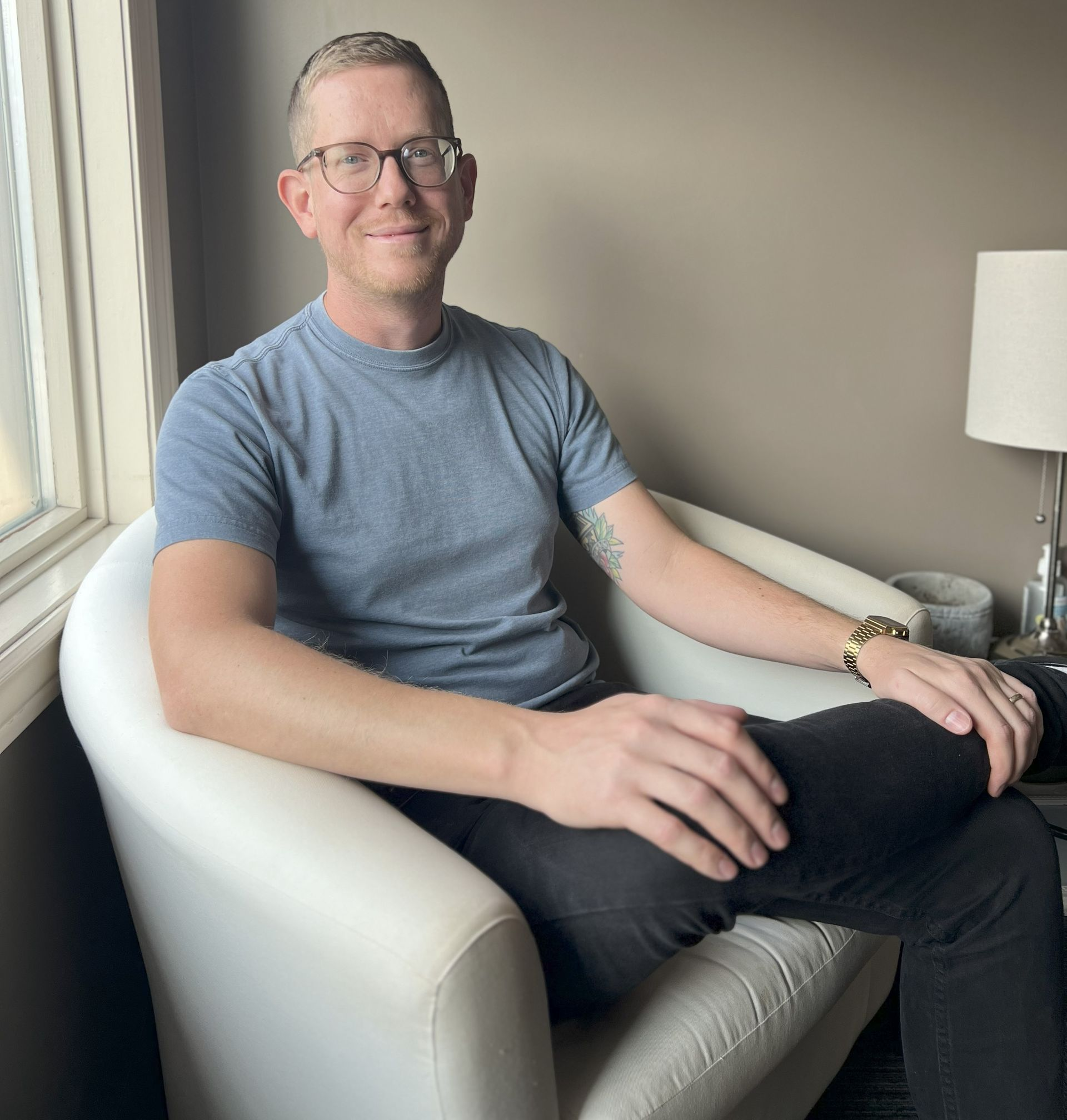
Daniel Burgoyne, Registered Psychotherapist
Daniel works with adolescents, adults, and mature adults who are dealing with anxiety, including the worry, self-doubt, and avoidance that can make social situations feel harder than they should. His approach is collaborative and practical, addressing underlying thought patterns.
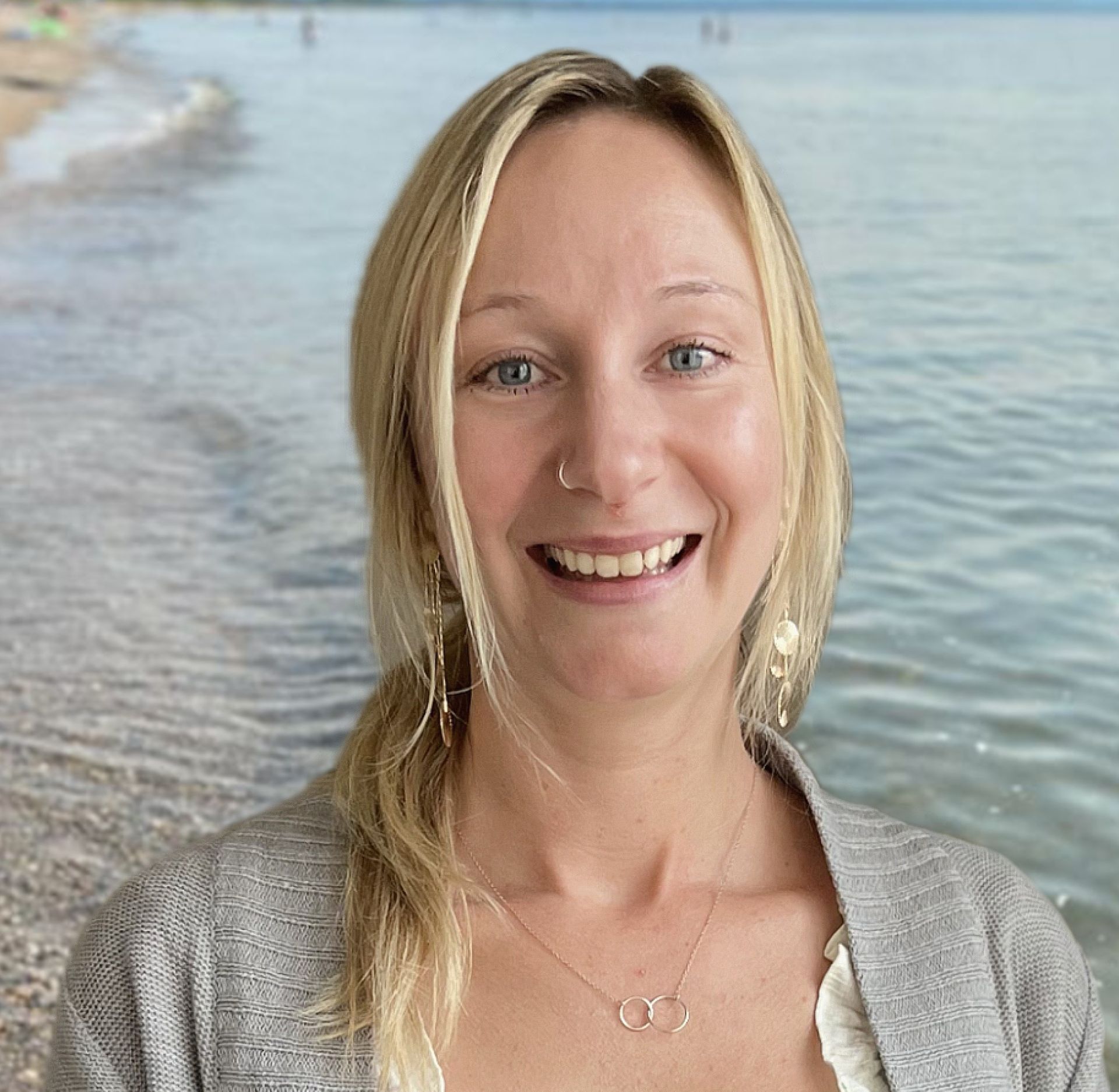
Leah Juras, Registered Psychotherapist
Leah works with adolescents (14+) and adults who experience anxiety and want practical strategies for managing it and the strong emotions that come with it. She blends CBT, ACT, and attachment-based and emotionally focused approaches in a gentle, collaborative way, and builds a flexible plan around your pace so that change feels safe and manageable.

Van Shanahan, Registered Psychotherapist
Van supports adolescents and adults with anxiety, repeating relationship patterns, and the coping habits that keep people stuck. He combines psychodynamic and relational therapy, which explores where social fear and self-doubt come from, using CBT and solution-focused tools.
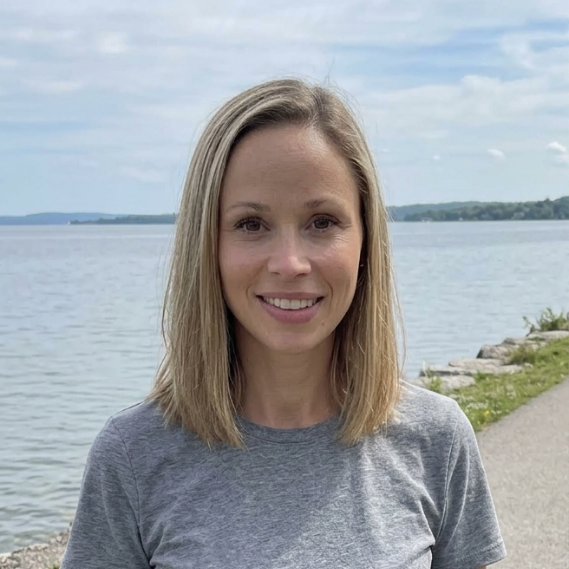
Grace Yeomans, Registered Psychotherapist and Registered Social Worker
Grace is both an RP and an RSW. She supports children, adolescents, and adults with anxiety, stress, and self-esteem, using CBT, relaxation and grounding techniques, and tools for strengthening communication and relationships. Sessions are available virtually on weekday evenings.
In-Person Social Anxiety Counselling in Barrie and Online Across Ontario
Barrie Office and Simcoe County Service Area
Our office is located at Unit 201, 151 Essa Road, Barrie, Ontario. We support clients from Barrie and surrounding communities, including Orillia, Innisfil, Bradford West Gwillimbury, New Tecumseth, and communities throughout Simcoe County.
If you are within driving distance of Barrie and prefer the structure and consistency of in-person sessions, our office provides a calm, private setting designed to feel welcoming from the moment you arrive. In-person therapy can be particularly well-suited to exposure-based work, where the therapeutic environment itself plays a role.
Virtual Therapy Across Ontario
Virtual therapy is available to clients across Ontario who prefer the flexibility of working from home or live outside the Barrie area. Online sessions follow the same therapeutic approach and are delivered through a secure, confidential platform. For social anxiety specifically, virtual therapy can also serve as a comfortable starting point — a lower-pressure way to begin working with a therapist before transitioning to other formats if that becomes a goal.
Social Anxiety Sometimes Occurs Alongside Other Concerns
Anxiety, Depression, Panic and Low Self-Esteem
Social anxiety often does not travel alone. Many clients experience overlapping concerns, including:
- Depression or persistent low mood tied to isolation
- Other forms of anxiety, including generalized worry or panic symptoms
- Perfectionism or fear of failure
- Low self-esteem or chronic self-criticism
- Loneliness stemming from long-term avoidance
- Alcohol or substance use as a coping strategy in social situations
Recognizing these overlaps helps your therapist build a more complete picture of your experience — and a more effective plan for addressing it.
When Other Professional Support May Help
A psychotherapist does not need to diagnose you before therapy can begin. If you are wondering about a formal diagnosis, or if medication may be relevant to your situation, those conversations belong with your family physician or a psychiatrist. We can provide psychotherapy in parallel with medical care, and we are happy to clarify our scope if you have questions about how different kinds of support fit together.
Frequently Asked Questions About
Social Anxiety Therapy
Does Therapy Really Help With Social Anxiety?
Yes. Social anxiety disorder responds well to treatment, particularly CBT and gradual exposure therapy. The Canadian Psychological Association identifies these as strongly supported psychological interventions. Results vary by individual, and therapy does not eliminate every trace of nervousness — but it meaningfully reduces avoidance and distress for most people who engage with it consistently.
How Long Does Social Anxiety Therapy Take?
It depends on your goals, how long social anxiety has been affecting your life, and how often you attend. There is no fixed number of sessions that applies to everyone. Many clients begin with 8–12 sessions to address their concerns. Your therapist will check in regularly so your plan continues to match your progress.
Will I Be Forced to Face My Biggest Fear?
No. Exposure-based work is always collaborative and gradual. You and your therapist build an approach together, starting with situations that feel manageable and progressing at a pace that makes sense for you. Nothing is sprung on you. The goal is to expand your comfort zone step by step — not to overwhelm you.
What If Talking to a Therapist Makes Me Anxious?
That is one of the most common experiences people bring to a first session — and it is something your therapist can work with directly. The discomfort of talking to a new person about personal things is real, and you do not need to feel calm before you start. Your therapist can begin with exactly that experience and work from there.
Can Social Anxiety Therapy Be Done Online?
Yes. Virtual therapy is available to clients across Ontario. Online sessions follow the same evidence-based approaches as in-person appointments and are delivered through a secure, confidential platform. For clients who find that the idea of going to an office adds to their anxiety, virtual care can be an excellent starting point.
Do I Need a Social Anxiety Diagnosis or Referral?
No referral is required to book with Reset. You do not need a formal diagnosis either. Many clients come to us having never spoken to a doctor about what they are experiencing. If you recognize yourself in what is described on this page, that is enough to reach out.
How Much Does Therapy Cost, and Will Insurance Cover It?
Sessions are $170 for 50 minutes. We do not offer direct billing, but we provide receipts that you can submit to your insurer. Coverage depends on your specific plan and whether it includes Registered Psychotherapists or Registered Social Workers. Contact your benefits provider before your first session to confirm what is covered.
Take the Next Step Toward Feeling More Comfortable Around Others
Reaching out for support can feel uncomfortable — especially when discomfort around others is part of what you are dealing with. That makes sense, and it does not have to stop you. Our therapists work with that discomfort from the very first session.
We offer in-person therapy at our Barrie office and virtual care across Ontario. Our therapists are taking new clients and no referral is needed.